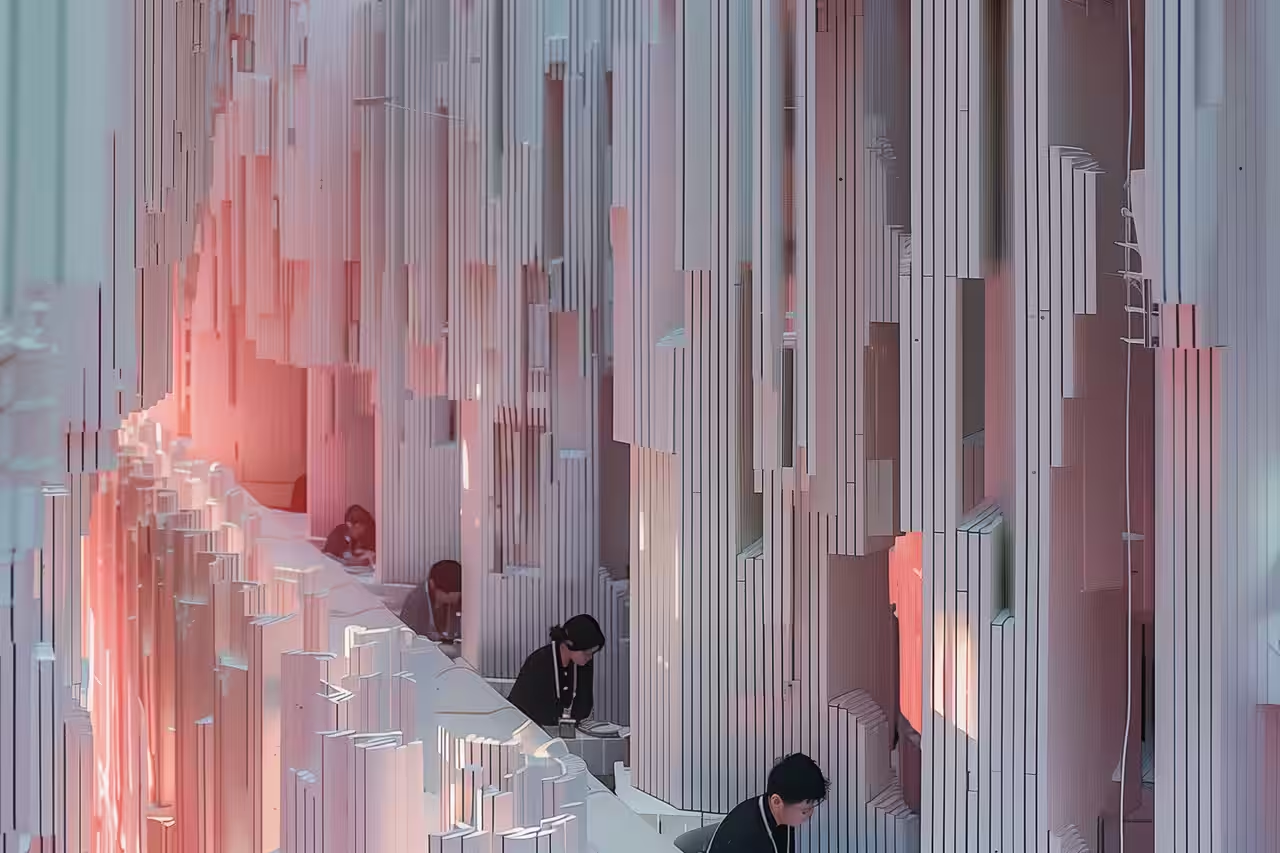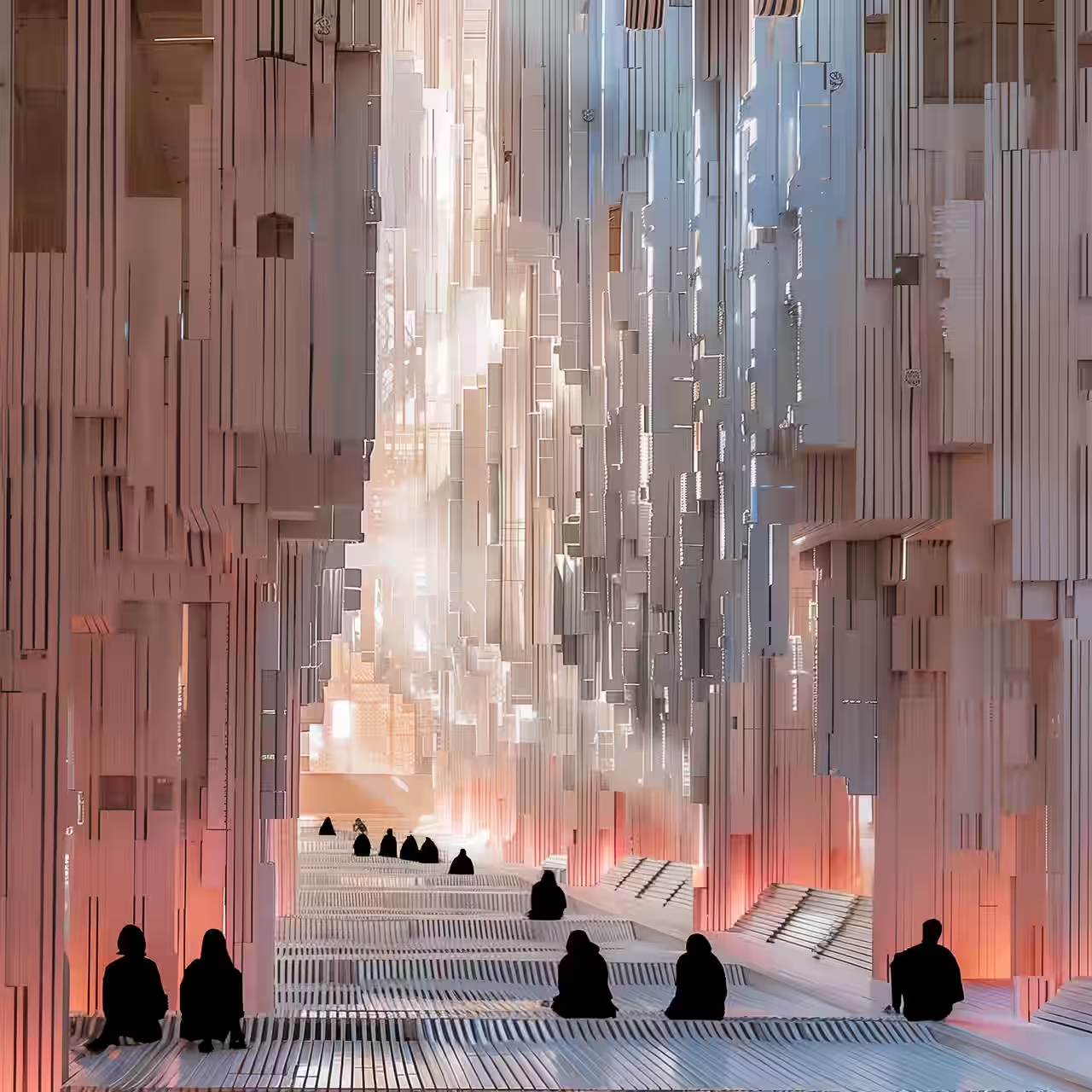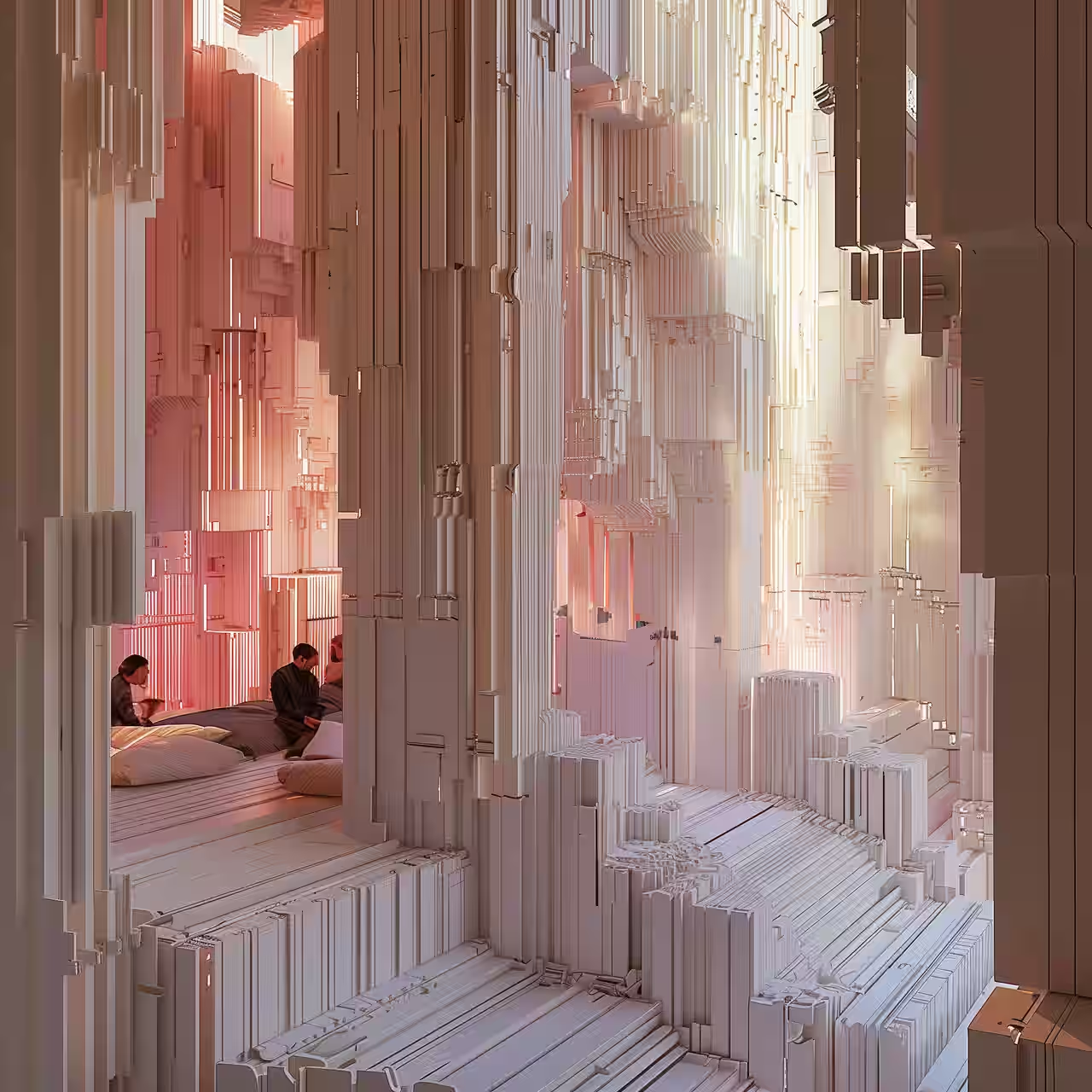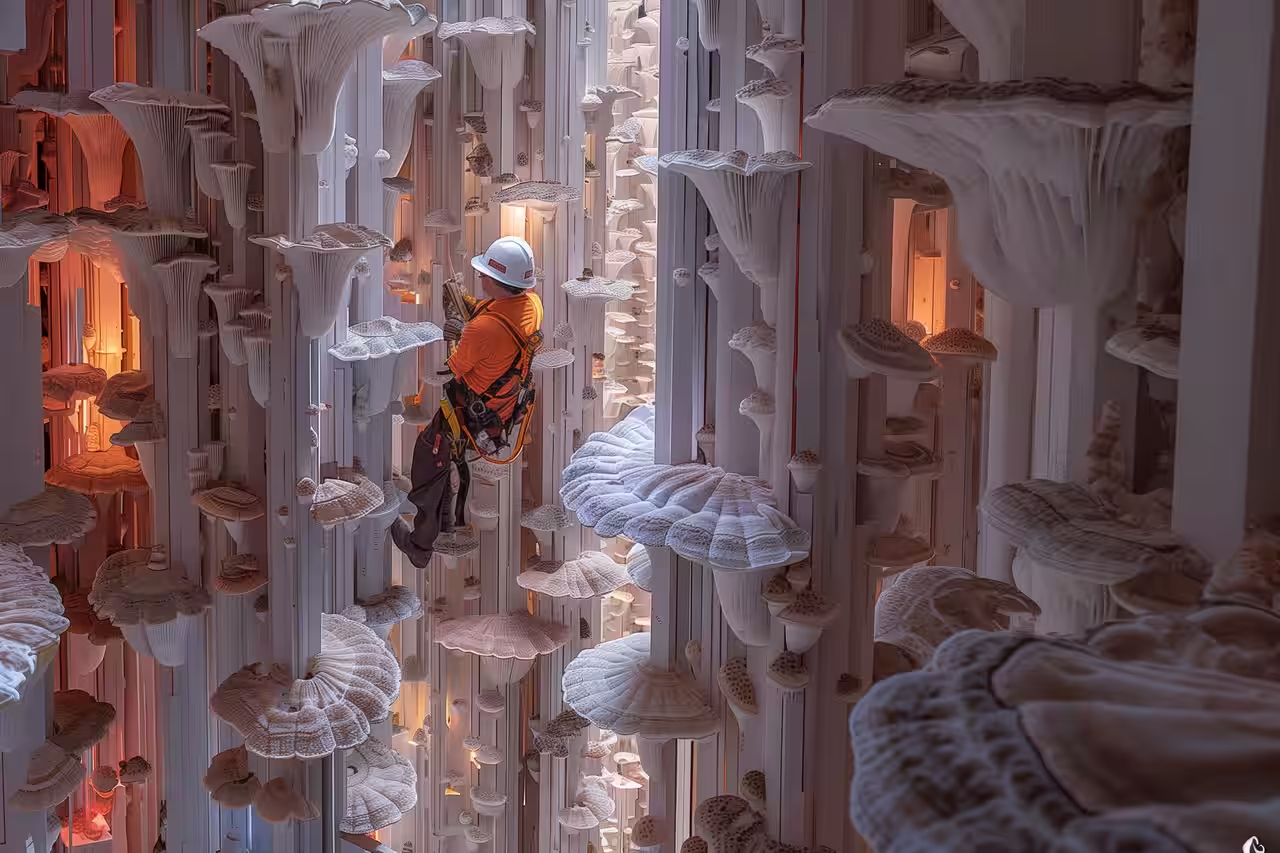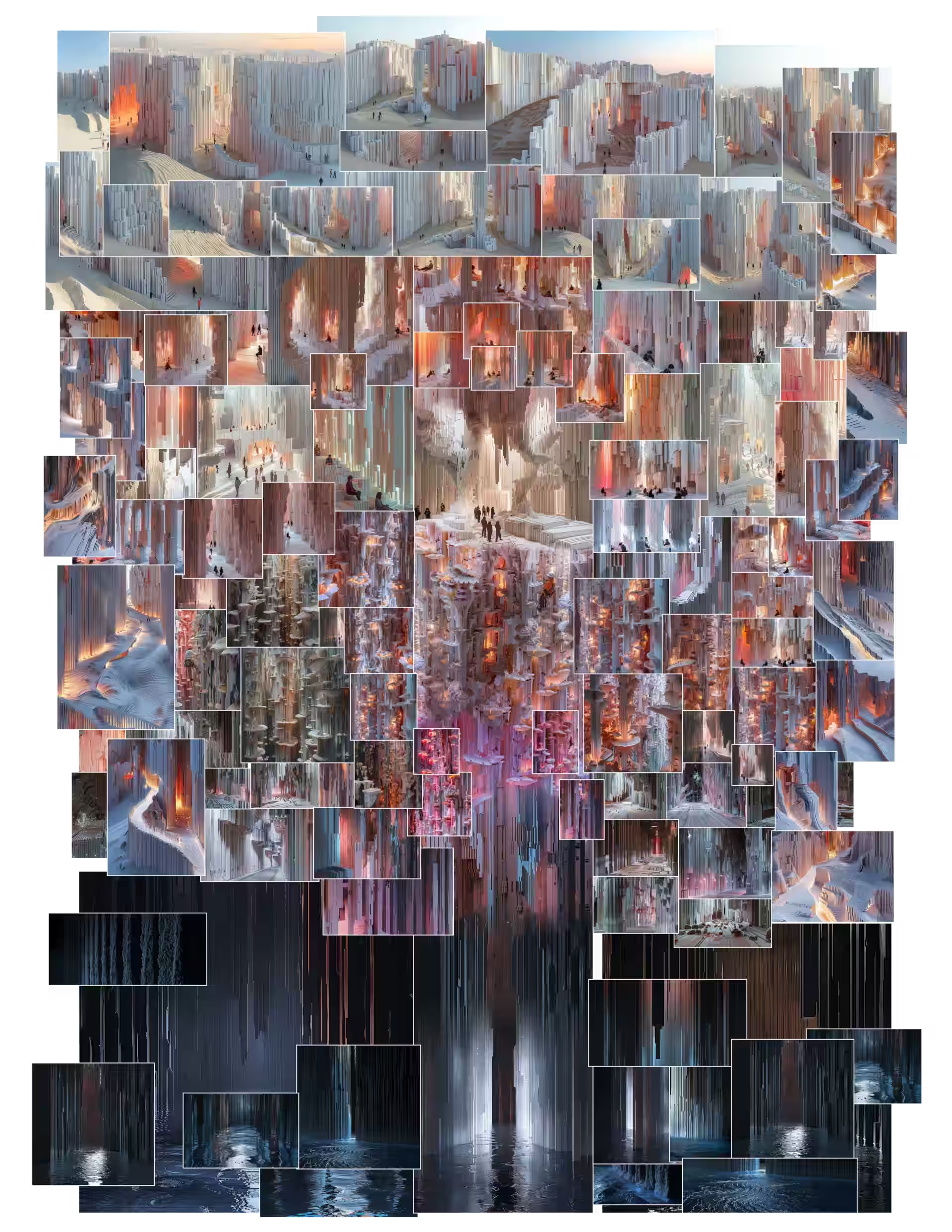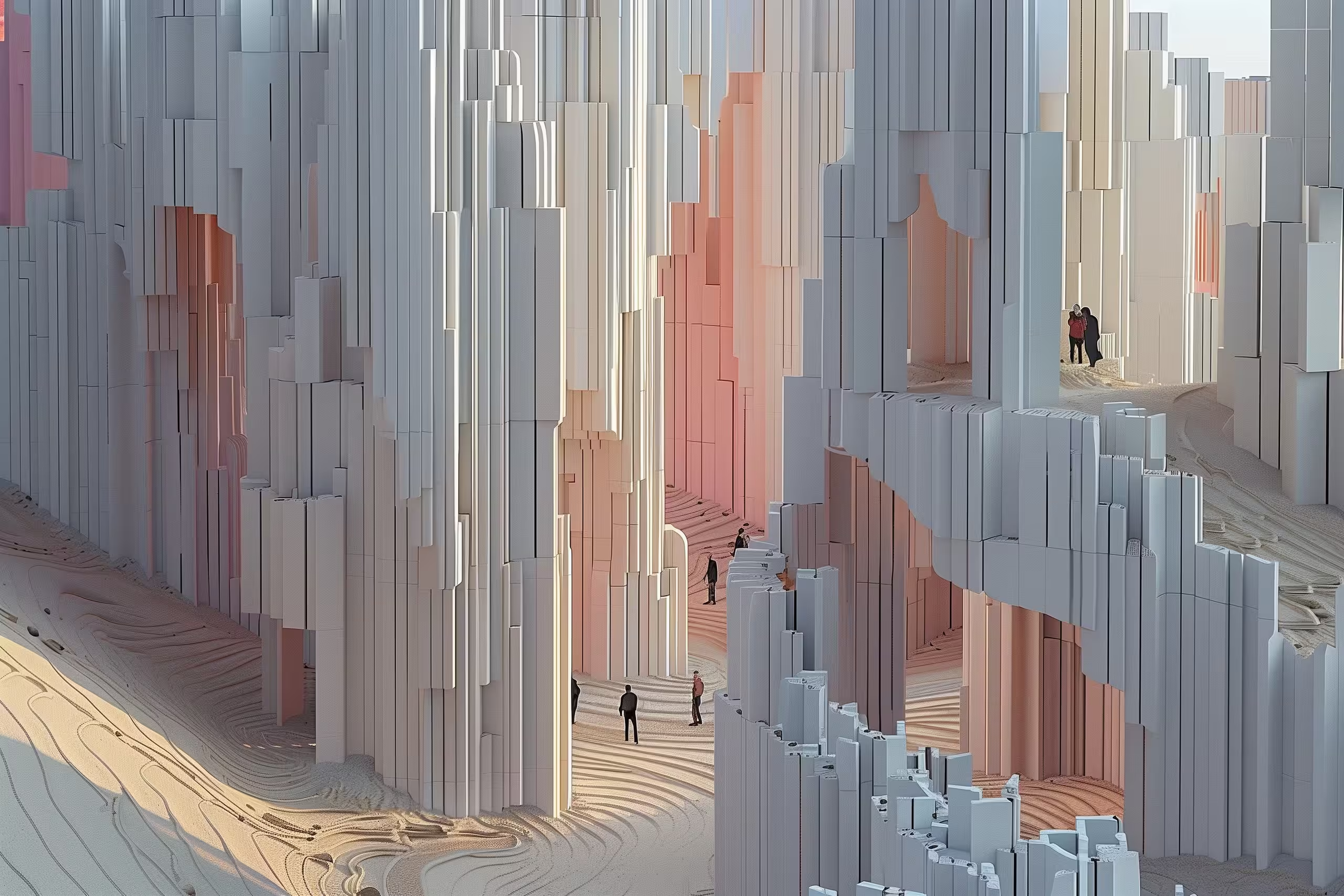
The project envisions a future where rapid population growth, resource scarcity, and climate change force humans to inhabit previously uninhabitable regions such as deserts. To address this challenge, we propose an adaptive, self-organizing system composed of autonomous, self-assembled modular robotic units. These units, functioning both individually and collectively, can autonomously adapt and transform to create sustainable living conditions by integrating design, technology, and ecology. Drawing insights from thinkers like Jeremy Rifkin and Benjamin Bratton, the project seeks to merge design, technology, and ecology to transform challenging landscapes into viable habitats for very large buildings designed with 80% nonhuman and 20% human programming.
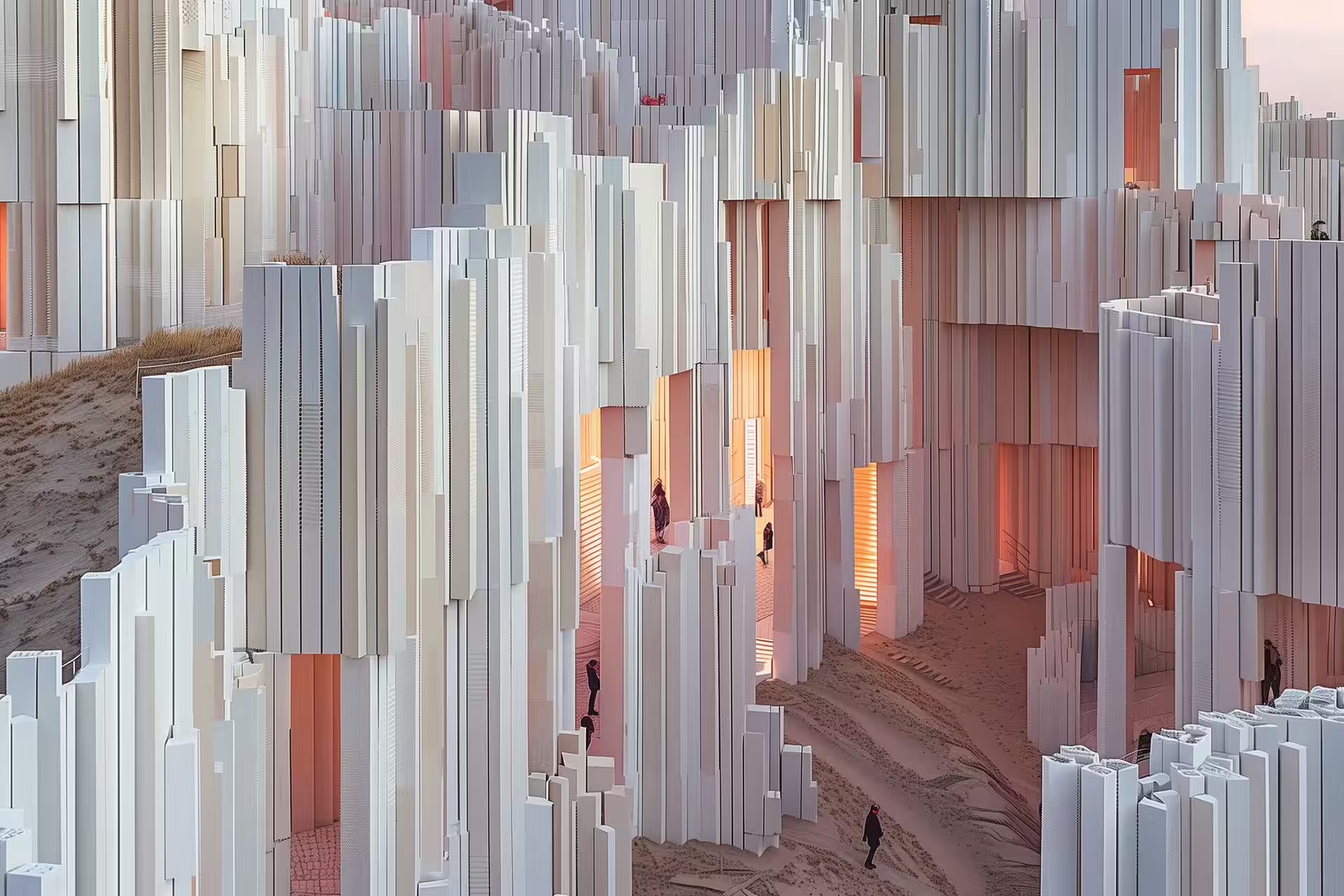

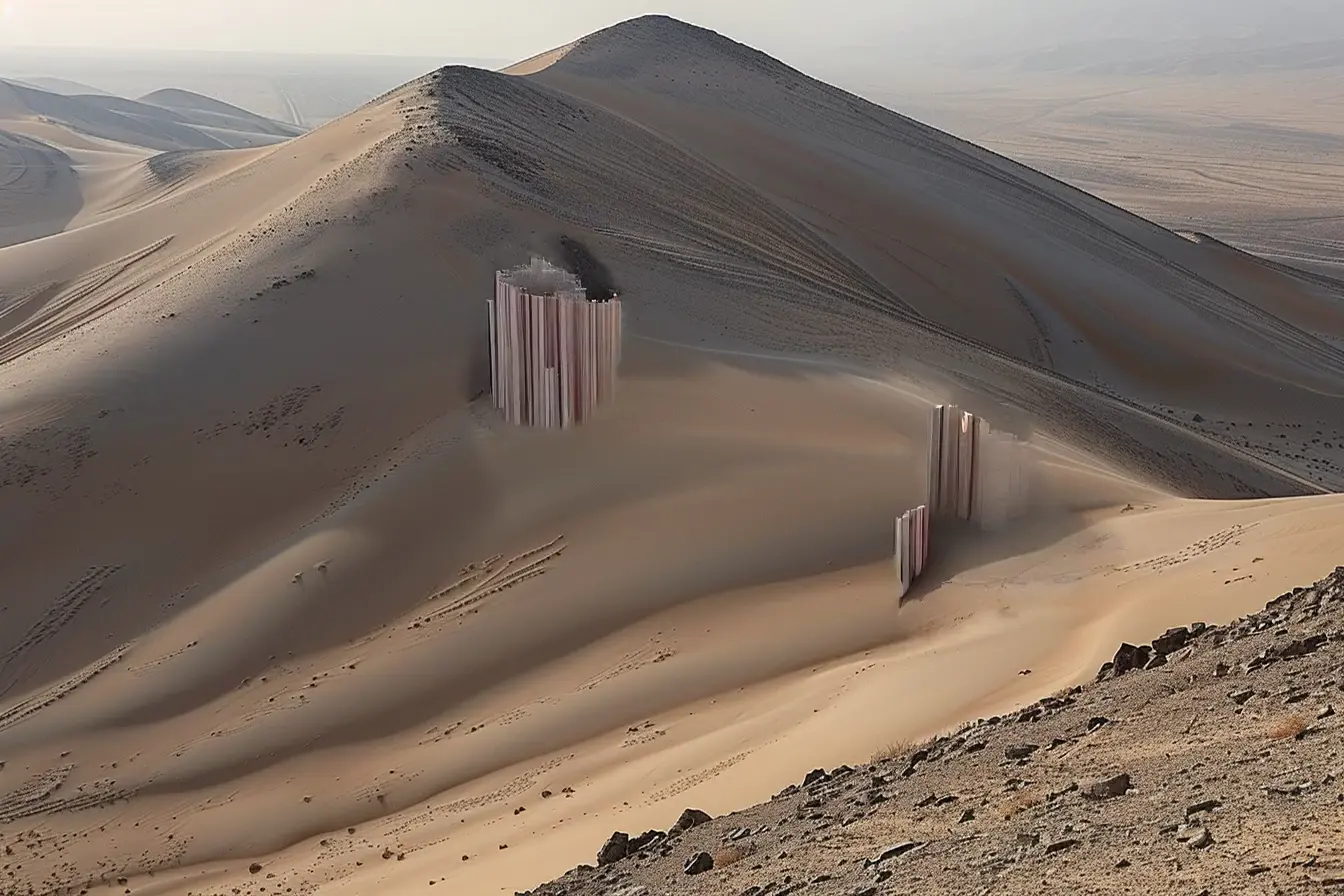
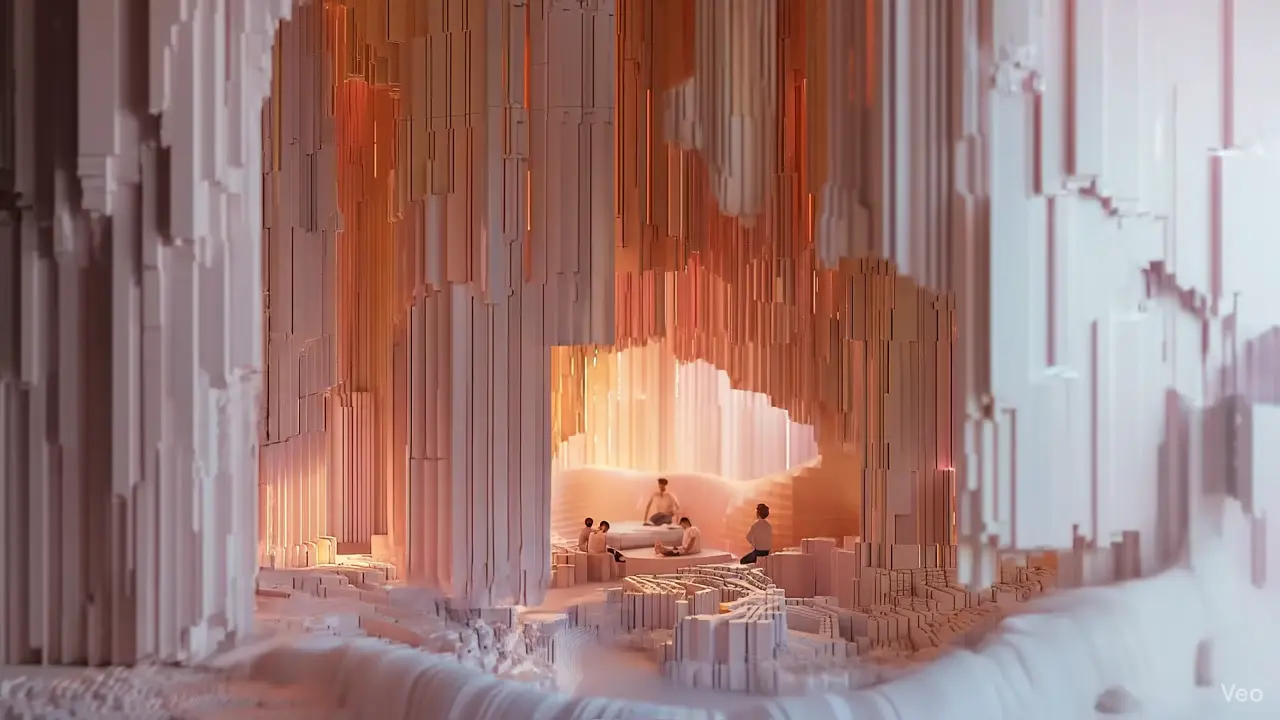
modulation of light with self-assembling robotic units
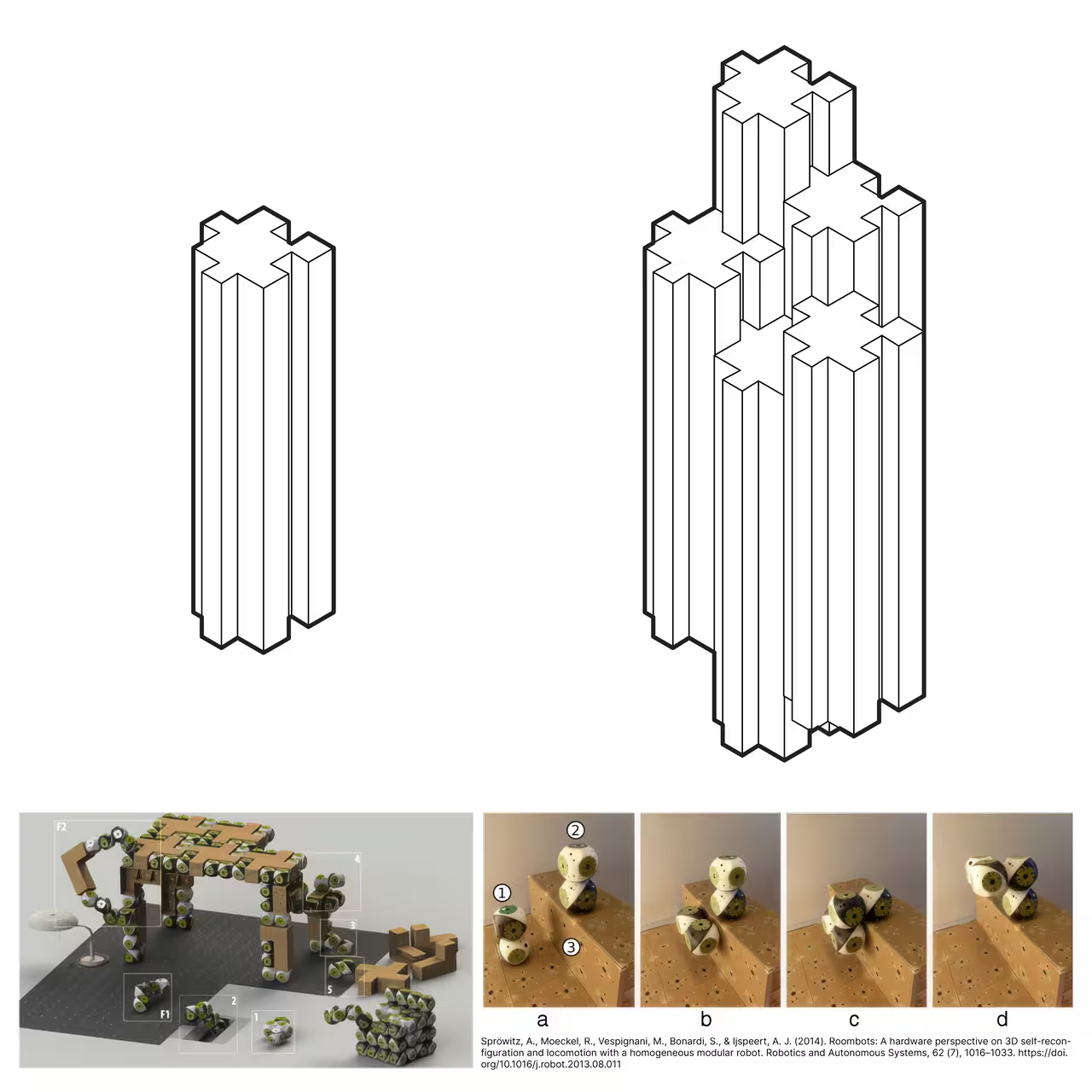
// 6The individual robotic units, inspired by the 3D self-reconfiguration and locomotion modular robot developed at EPFL, are designed to be autonomous, self-assembling, and self-organizing. Each unit is equipped with sensors, actuators, and communication devices that enable it to interact with its environment and other units. The units can aggregate to form larger structures, disassemble to adapt to changing conditions, and reconfigure to optimize their performance. This adaptive system allows for the rapid construction of complex architectural forms in challenging environments.