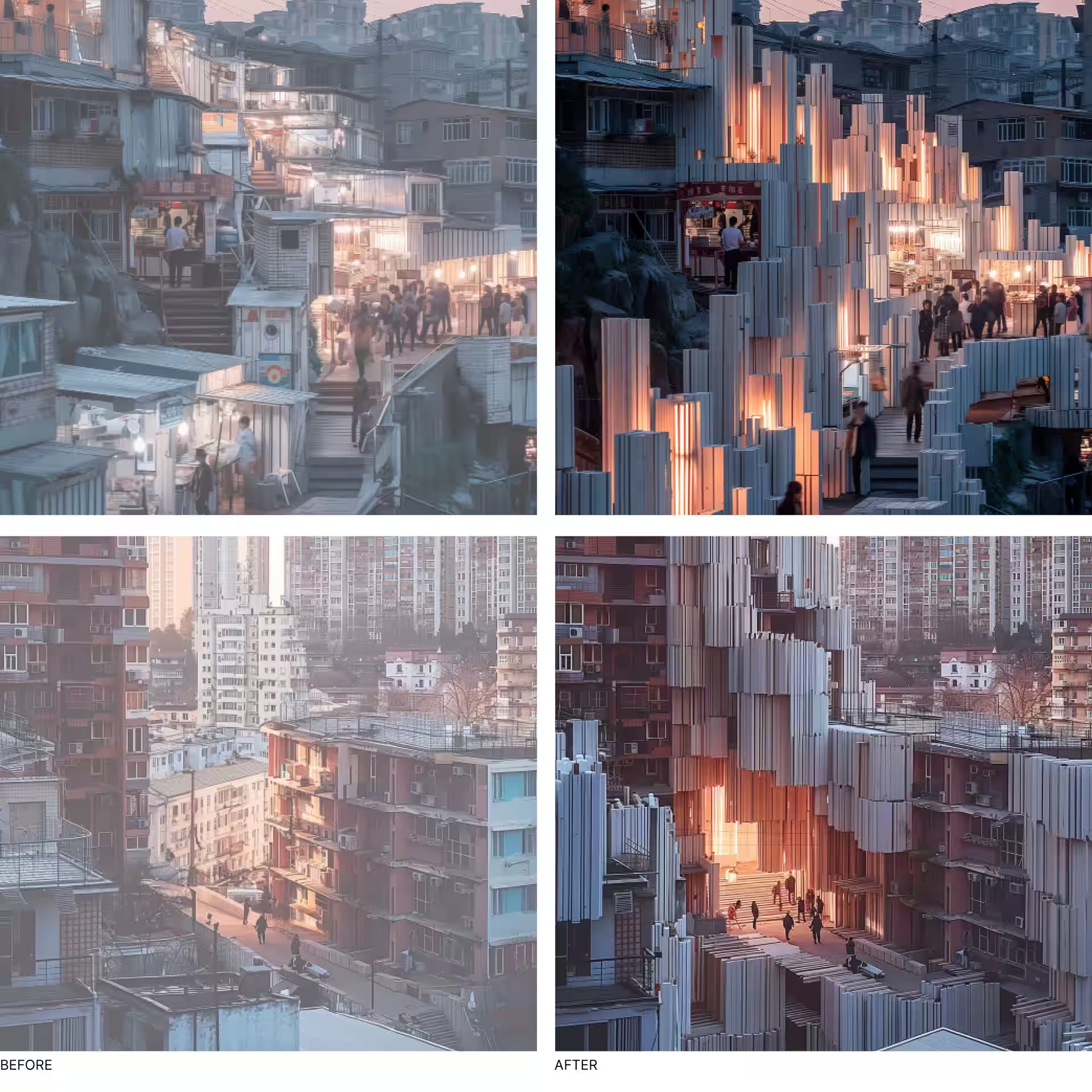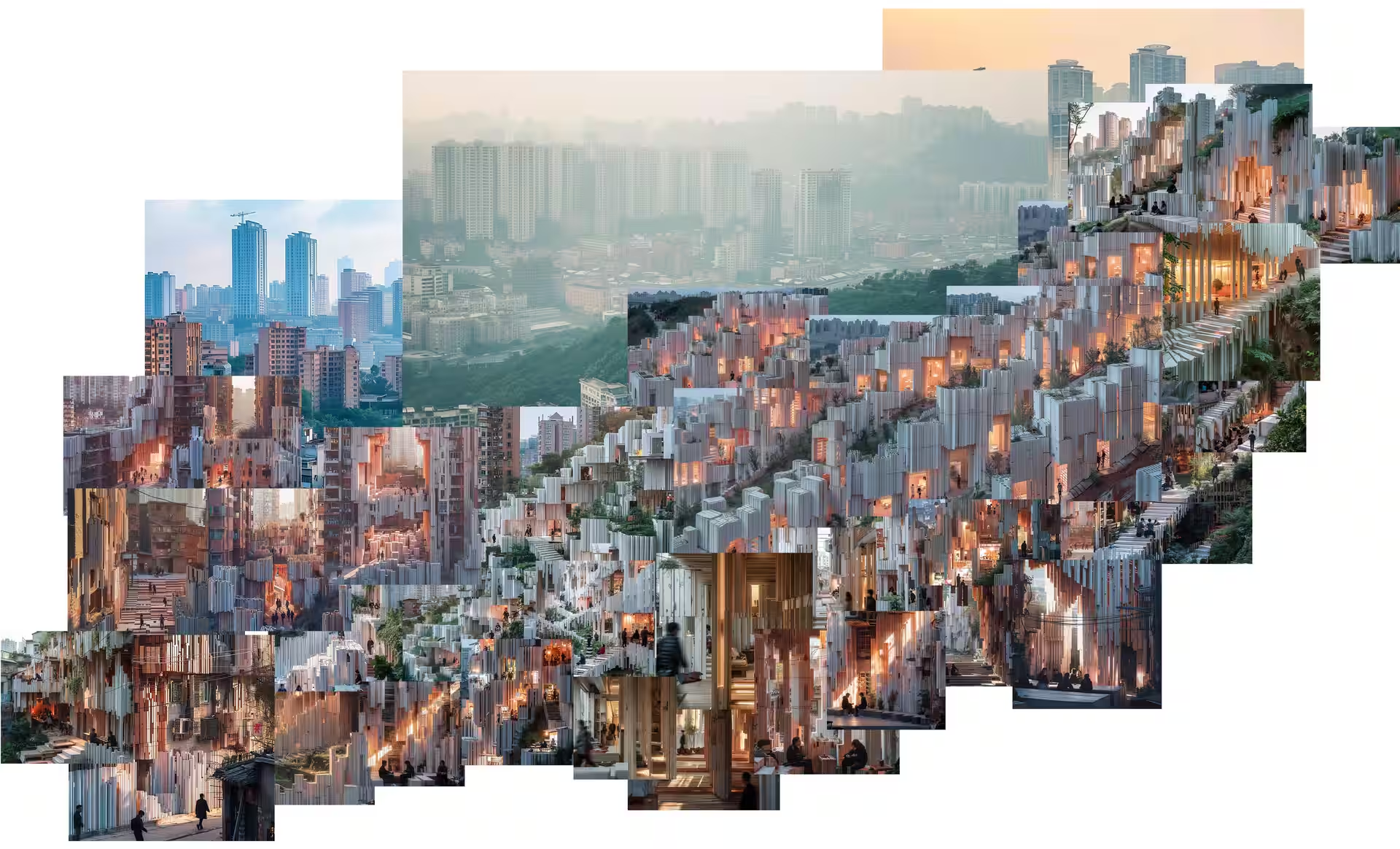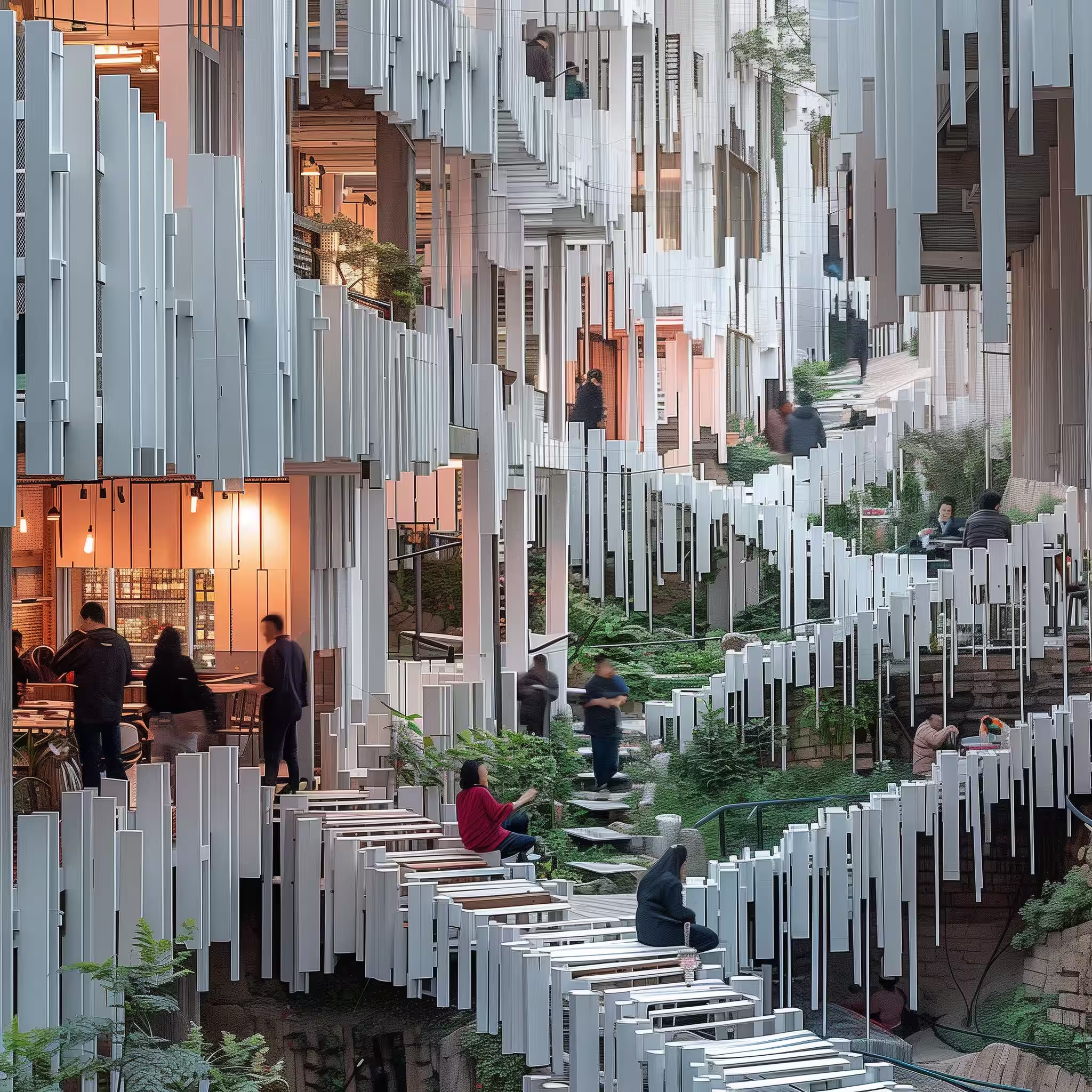
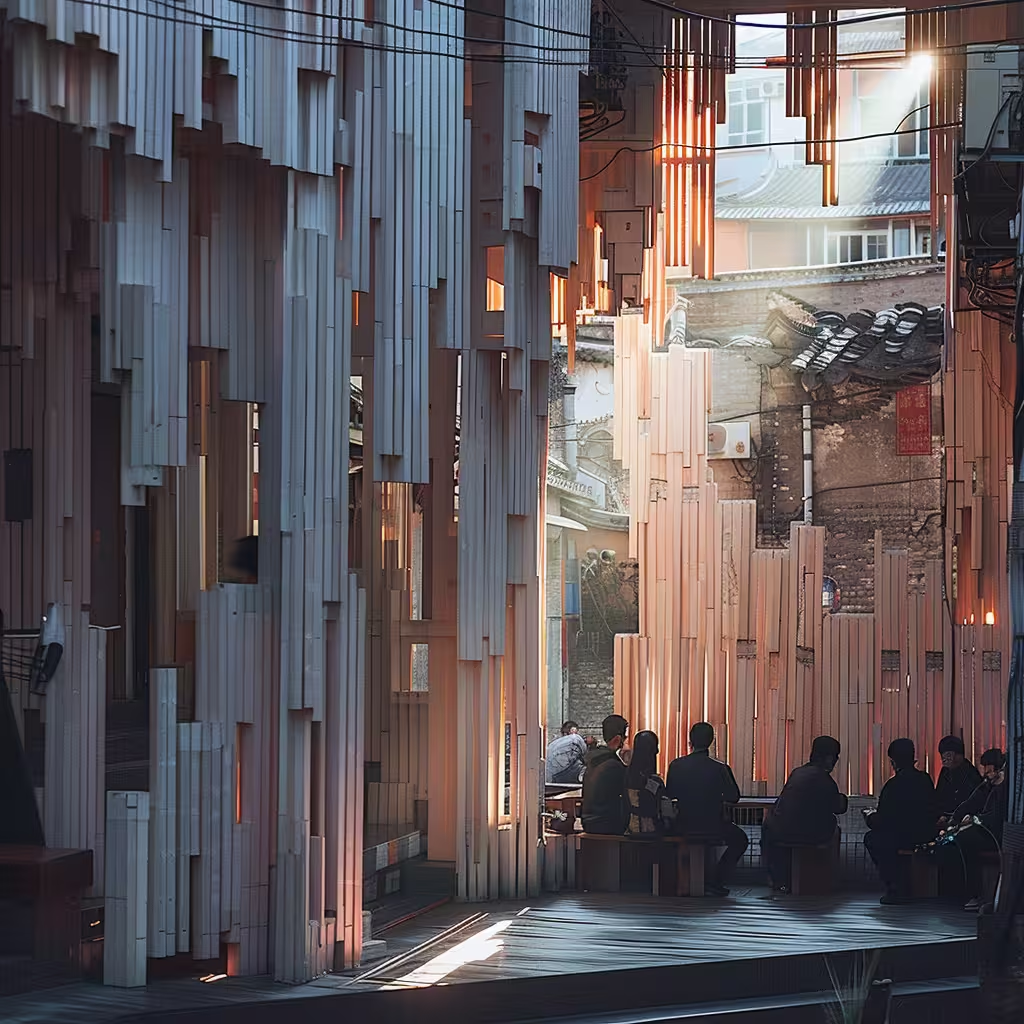
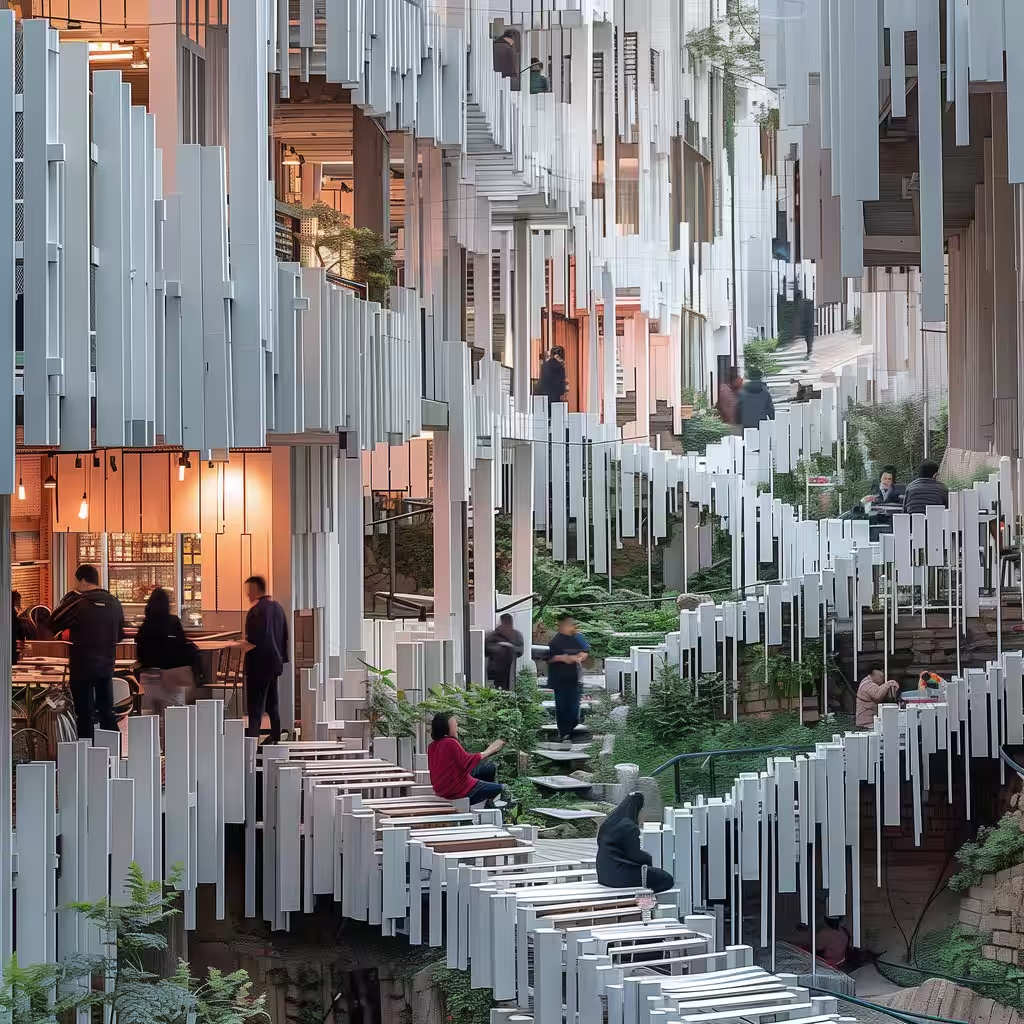
Tectonic Resilience presents a scalable approach to resilient urban redevelopment, using Yutie Village in Chongqing as a model. Isolated on a steep hillside near the city's core, Yutie Village faces social and physical detachment, leading to the abandonment of much of its buildings. Government's development plans risk erasing the village's unique cultural heritage. This project addresses these challenges through a multi-resolution framework that integrates urban, human, and material dimensions into a cohesive, adaptable system. Inspired by organic systems, the design operates across scales, with each scale addressing specific issues to create a unified whole. Modular components of sustainable materials like cross-laminated and recycled timber enable gradual, eco-conscious transformation that respects the village's historic character. This incremental approach revitalizes Yutie Village, preserving its identity while enhancing functionality. The proposed framework establishes a resilient system that adapts to diverse topographies and cultural contexts, offering a scalable model for sustainable urban development. Through this project, Tectonic Resilience provides a solution that not only aims to rejuvenate Yutie Village but also serves as a universally applicable, adaptable urban model.
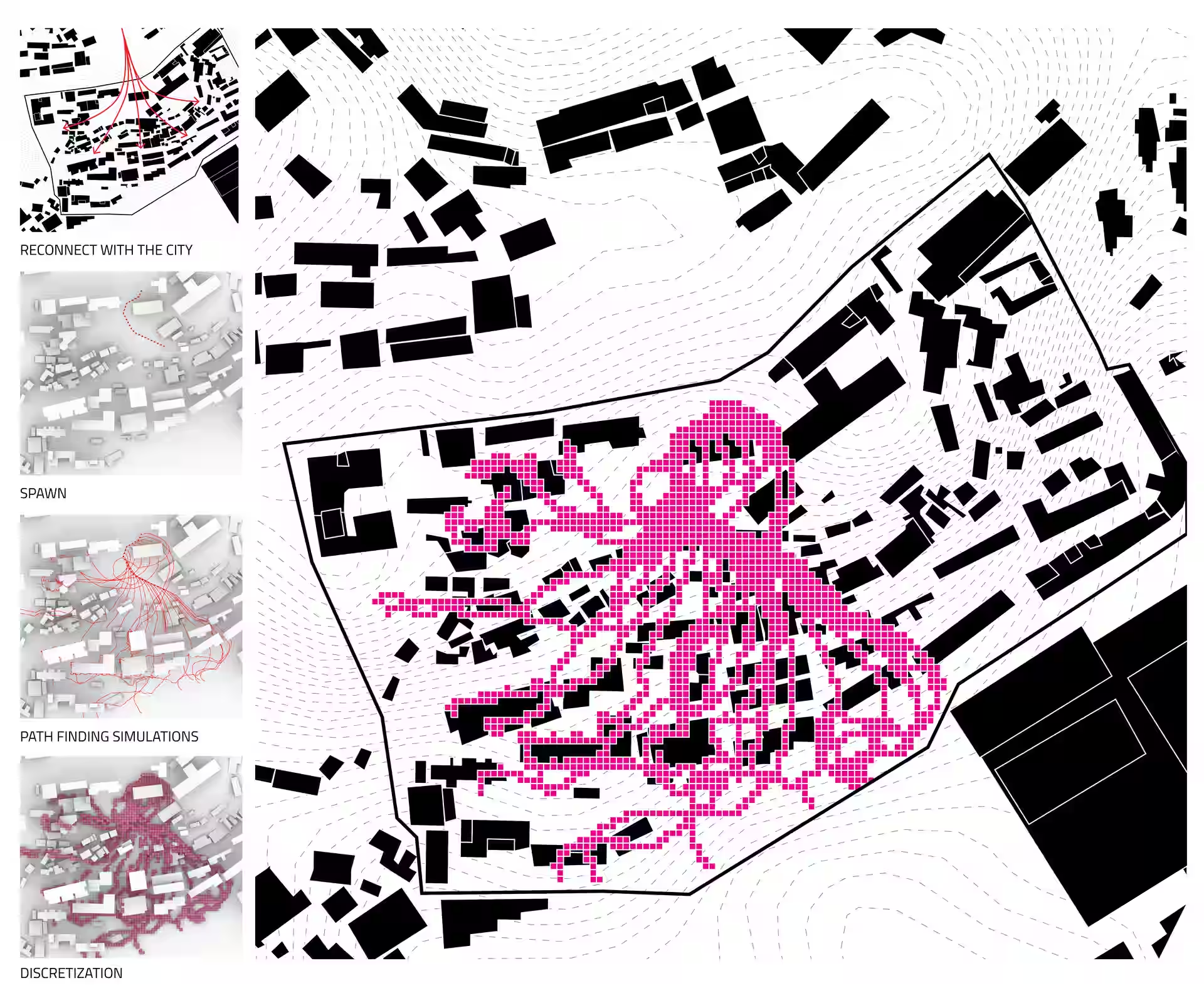
site adaptation logic
// 1This project leverages a multi-agent pathfinding algorithm to trace optimal pedestrian routes across Yutie's terrain, informing the macro-level layout. Movement patterns shape circulation paths that adapt naturally to topography, anchoring the design within the landscape. This adaptive logic aim to establishes a seamless, context-driven framework, uniting built forms with intuitive site integration.
![[MACRO] - urban resolution](/projects/tectonic-resilience/macro-resolution.avif)
[MACRO] - urban resolution
// 4The system reintegrates Yutie Village into Chongqing's urban network through new structural pathways. These interventions bridge physical divides, establishing terrain-responsive connectivity that firmly embeds the site within the broader city fabric.
![[MESO] - human resolution](/projects/tectonic-resilience/meso-resolution.avif)
[MESO] - human resolution
// 5Modular plugins interface with existing buildings to generate flexible community nodes. These human-scaled spaces prioritize spatial adaptability, fostering social interaction and enhancing the collective experience of the village through shared infrastructure.
![[MICRO] - material resolution](/projects/tectonic-resilience/micro-resolution.avif)
[MICRO] - material resolution
// 6Interlocking recycled timber modules aggregate to form responsive façades and interiors. This material logic optimizes lighting and ventilation, merging traditional textures with functional upgrades to modernize the built environment efficiently.